


Understanding Texas’ High Insurance Burden
Texans may have low taxes and a relatively low cost of living, but we can’t have it all. An analysis by MoneyGeek found that Texas has the sixth-highest insurance burden of any state in the U.S. plus Washington, D.C.
The rankings look at the cost of standardized home and auto coverage according to proprietary data from MoneyGeek, which provides a variety of insurance shopping tools and resources. The combined cost is then applied as a percentage of the median take-home income.
Related
Texas’ insurance burden of 10.95% was less than that of Louisiana (18.4%), Florida (16.65%), Oklahoma (15.32%), Mississippi (12.91%) and Arkansas (11.53%), but higher than everywhere else.
How Texas Compares to Other States
In raw terms, Texans have the fourth-largest total insurance cost, paying $8,653 annually between home and auto insurance. According to the Texas Department of Insurance, home insurance rates jumped nearly 19% in 2024 and 21% the year before that. Meanwhile, auto rates climbed 24% in 2022 and 25% in 2023, before rising by a much slower rate of 4.8% in 2024.
There are a variety of reasons residents of the Lone Star State pay more than other places. The most burdensome states are also those prone to natural disasters and severe weather, which especially inflate home insurance costs. While Dallas may not experience the hurricanes of Florida, Louisiana, and even Houston, it and much of the rest of the state can experience damaging thunderstorms, tornadoes, hail and flooding, growing in frequency due to climate change.
Factors Contributing to High Insurance Costs
Texas’ high insurance costs are partially offset by higher incomes than neighbors like Oklahoma, thanks to steady economic growth. But economic growth also means rising home values, and expensive new homes like those popping up across the area, are also expensive to insure.
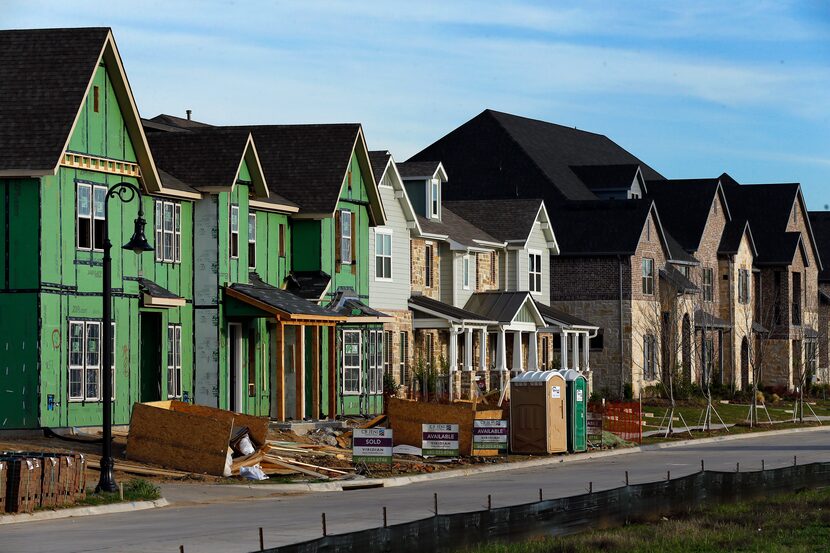
Shortages of labor, materials and building lots – along the pandemic – have significantly increases the average time it takes to build a North Texas home.
Tom Fox
Should you need something fixed at your home or in your car, the rising cost of materials is also a factor in premiums. Meanwhile, auto insurance costs are also rising in part due to more cars on the roads and more time spent in cars, according to Texas’ Office of Public Insurance Counsel.
Regulations and Litigation Costs
Many low-burden states are the beneficiaries of favorable geography; Vermont and Washington, with insurance burdens under 3%, are seldom subjected to natural disasters that threaten the structures of homes. However, regulations also play a large part. Florida and California have both seen recent major natural disasters and an exodus of insurers, but California law subjects home insurance premiums to strict price controls, leading to a lower burden (3.79% vs. 16.65%).
The final major factor in high insurance premiums is the cost of litigation in tort cases, which deal with civil remedies for harm caused by others. According to U.S. Chamber of Commerce Institute for Legal Reform, Texas is one of the leading states for year-over-year growth in tort costs.
Related

Other high-burden states like Florida also have exceptionally high litigation costs, driven in part by “nuclear verdicts,” jury verdicts worth $10 million or more that are arguably disproportionate to the harm done. Insurance companies are often the ones on the hook for these massive verdicts, so they raise rates across the board to pay for them.
What Consumers Can Do
While much is out of their hands, consumers have some power in lowering their rates. Maintaining a high credit score and safe driving record, using an emergency fund to cover a higher deductible, and bundling insurance are all ways to potentially keep premiums as low as possible.
CORRECTION, 12:00 p.m., November 26, 2025: An earlier version of this story incorrectly cited the 2024 rate of change in auto insurance as 25%. It was 4.8%.