

Introduction to Leadership
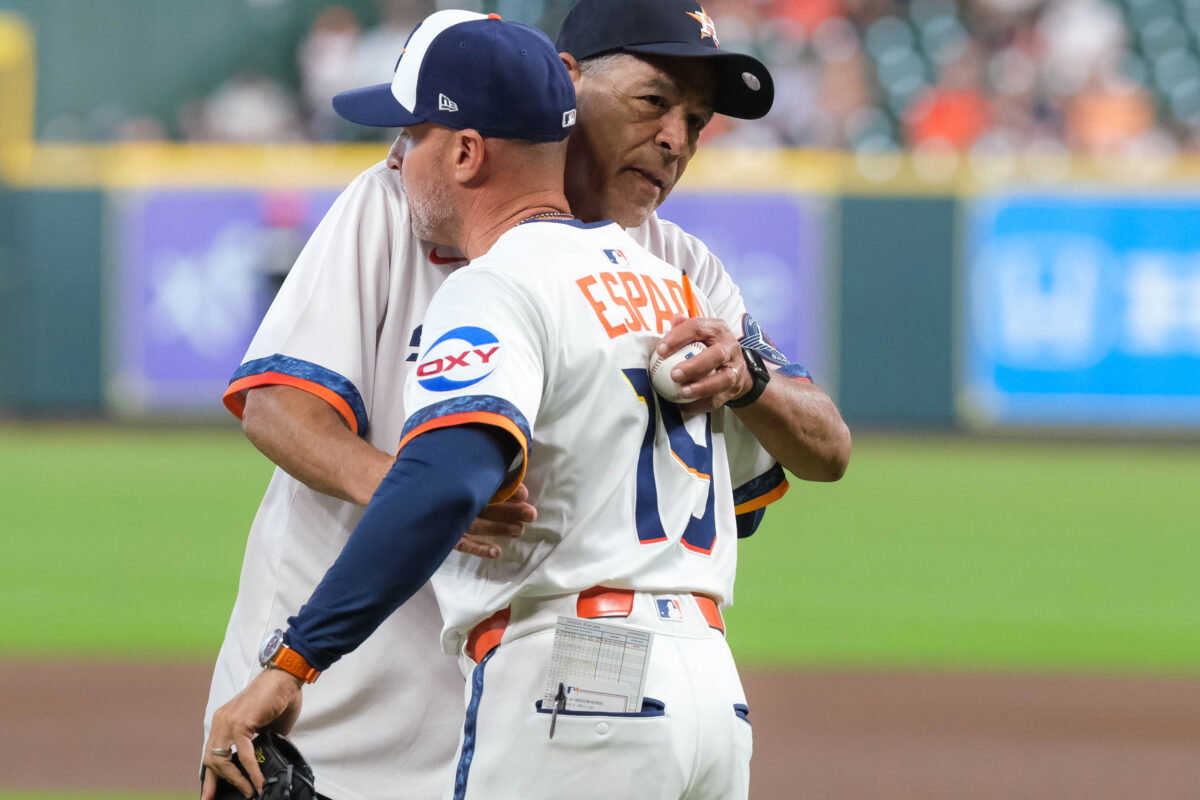
Houston Astros manager Joe Espada recently brought in University of Houston basketball coach Kelvin Sampson to talk to over 200 Astros’ employees about leadership. Espada considers Sampson a "human leader" rather than just a basketball coach. The two have become good friends, frequently texting each other during their respective seasons. When Espada was looking for a speaker for an offseason event, he immediately thought of Sampson.
A Home Run with Astros Personnel
Sampson’s talk was a huge success, with many Astros personnel approaching Espada to express how much they enjoyed it. Espada has always been a huge fan of Sampson, not just for his leadership skills but also for his ability to adapt to new generations of players. Sampson has been generous with his analysis and advice, and Espada often seeks his input on team dynamics and player development.
A Bond Between Coaches
The bond between the 70-year-old Sampson and the 50-year-old Espada is built on mutual respect and a deep understanding of the coaching profession. As Karen Sampson, Kelvin’s wife of 46 years, puts it, "I think it’s game recognizes game. They look at life through the eyes of a coach, and there are things that only other coaches understand." The two coaches often text each other, discussing their thoughts on bringing out the best in players and navigating team challenges.
Prioritizing Family
One aspect of Sampson’s talk that impressed Espada was his emphasis on prioritizing family. Sampson stressed the importance of making time for loved ones, even in the midst of a busy schedule. Espada appreciated this message, recognizing that it’s easy to take family for granted when caught up in the demands of a high-pressure job. As Espada notes, "He’s not just a great coach, he’s a father first, a husband first. He sends that message out, and it’s a responsibility we really take for granted a lot of the time."
Building Trust with Players
Sampson’s approach to building trust with his players also resonated with Espada. By hosting team meetings at his home and sharing personal stories, Sampson creates a sense of connection and vulnerability. This approach helps players see him as a person, not just a coach, and fosters a deeper level of trust and respect. As Espada observes, "If you want to get your players to buy in and trust you, there’s no better way to do it."
Conclusion
The friendship and mutual respect between Joe Espada and Kelvin Sampson are a testament to the power of leadership and the importance of prioritizing family. By sharing their experiences and insights, these two coaches demonstrate that effective leadership is not just about winning games, but about building strong relationships and fostering a sense of trust and respect. As Espada’s admiration for Sampson shows, there is much to be learned from this seasoned coach, both on and off the field.