

Extreme Weather and Blood Shortage
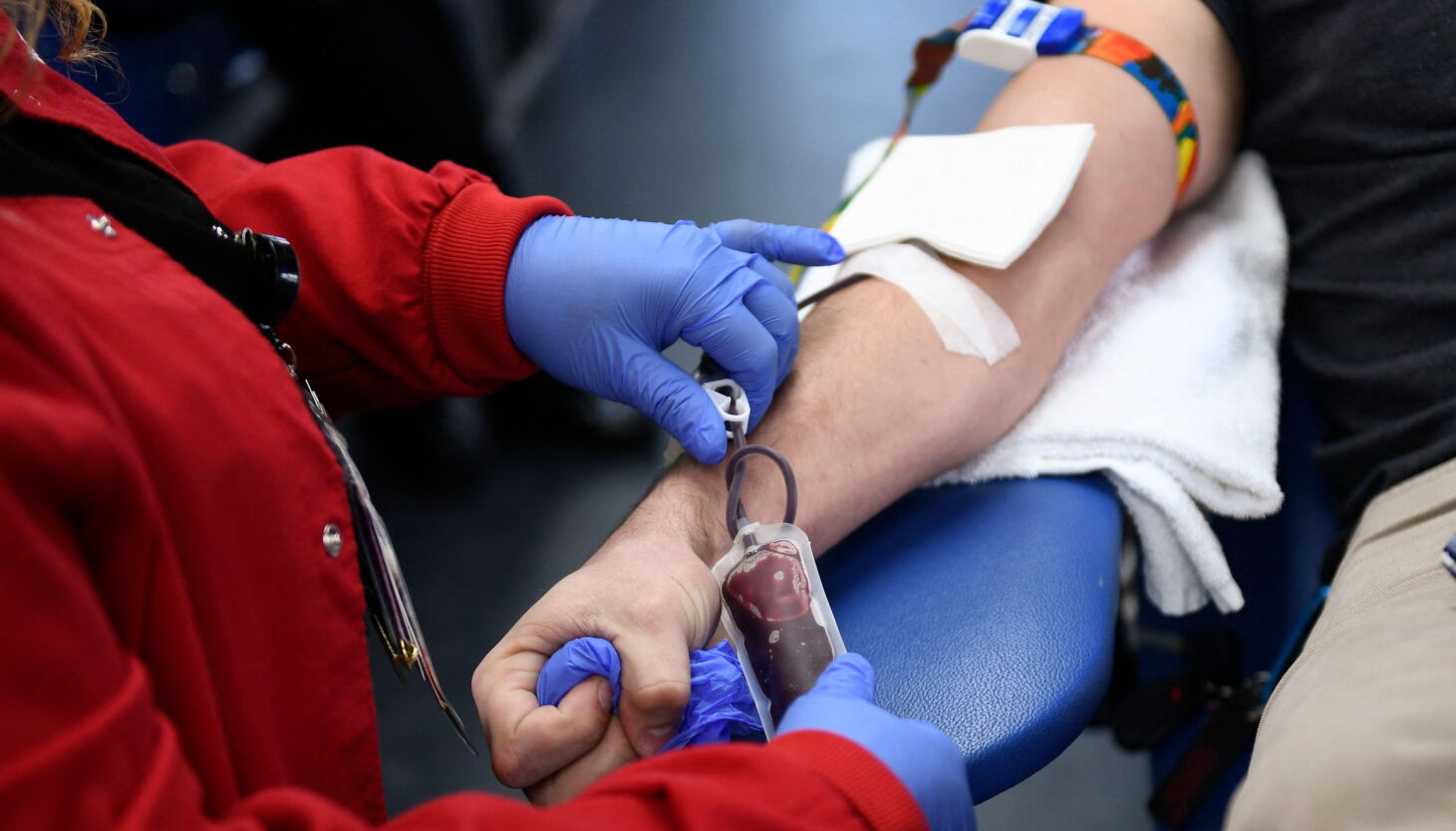
Citing extreme winter weather conditions, the American Red Cross has warned of a severe national blood shortage. More than 400 blood drives nationally were affected by severe weather, causing thousands of blood donations to go uncollected, the organization said Jan. 20. In the last month, the Red Cross said it has seen a 35% decrease in blood supply. As a result, the organization, which is responsible for supplying about 40% of the nation’s blood supply, is urging people to donate blood to ensure that patients don’t experience delays in receiving lifesaving care.
Impact of the Shortage
Nationally, blood donation shortages are most severe for platelets and types O, A negative and B negative blood. “We’ve seen cancellations of blood drives, appointments have gone unfilled. Just since the course of the stretch of bad weather, we’ve seen a loss of almost 14,000 units across the country,” said Connie Esparza, communications director of the American Red Cross Illinois region. In Illinois, Esparza said the organization is experiencing hundreds of uncollected units of blood. The blood shortage issue, Esparza said, is not new, as the demand from hospitals for blood continues to exceed the available supply. “Couple that with severe weather, then, you know, we’re seeing the situation worsen,” Esparza said.
Effects on Hospitals
The University of Chicago Medical Center, which uses the American Red Cross as its main blood supplier, was informed last week of the blood shortage. As the Chicago area was hit with subzero temperatures by the end of last week, Dr. Rahaf Alkhateb, the associate director of the UChicago Medicine Blood Donation Center, said the center experienced issues with shipment. UChicago said its not facing a shortage at the moment, because of the in-house support from the UChicago Medicine Blood Donation Center. But the medical center still urges individuals to get out and donate blood if they are able, Alkhateb said. “I don’t know how we are going to be affected. Let’s hope we are not, but there is no guarantee,” Alkhateb said. “We are doing our best to maintain a blood supply for our patients.”
Importance of Donations
Alkhateb said many donors come in when their family members need of blood donations. Only after this experience, she said, do people understand the importance of donating blood for patients. “People don’t need to wait until a close one needs blood; they can just donate and make sure all patients all around the country are getting the support they need,” she said. University of Illinois Health said it has experienced a minimal impact to its blood inventory throughout the shortage. Dr. Sally Ann Campbell-Lee, interim department head, said in a statement that UI Health is lower than their target for blood types A and O. Campbell-Lee urged people to donate blood to save multiple lives.
Blood Donation Centers
Northwestern Medicine said its blood supplies also have not been impacted. Dr. Glenn Ramsey, head of Northwestern Medicine’s blood bank, stressed that blood care is critical for the whole health care system. “There is no substitute for red cells, platelets and plasma,” he said. “These are coming from the arms of very nice people who come in to donate.” Versiti Blood Center of Illinois, an operator of blood drives in the area, said it suffered a blood supply shortage in January. With 13 donation centers in Illinois and several others across the region, the center services 65 hospitals nationally. Versiti blood drives can be found by ZIP code at versiti.org/blood-donation-locations/illinois or by calling 800-786-4483. Across Illinois, the American Red Cross has seven donation centers. Two of these locations are in the Chicago area. Blood drives can be found by ZIP code at redcrossblood.org or by calling 800-RED-CROSS.
Conclusion
The current blood shortage is a severe issue that affects patients across the country. The American Red Cross and other blood donation centers are urging people to donate blood to ensure that patients receive the care they need. By donating blood, individuals can help save multiple lives and make a significant difference in their community.
FAQs
What is the current blood shortage?
The American Red Cross has warned of a severe national blood shortage due to extreme winter weather conditions, resulting in a 35% decrease in blood supply.
How can I donate blood?
You can find blood drives by ZIP code at redcrossblood.org or versiti.org/blood-donation-locations/illinois, or by calling 800-RED-CROSS or 800-786-4483.
Why is blood donation important?
Blood donation is critical for the whole health care system, and there is no substitute for red cells, platelets, and plasma. Donating blood can help save multiple lives and make a significant difference in your community.
Which blood types are most needed?
The blood donation shortages are most severe for platelets and types O, A negative and B negative blood.
How can I find a blood donation center near me?
You can find blood donation centers near you by visiting the American Red Cross or Versiti Blood Center of Illinois websites, or by calling their phone numbers.

