

Introduction to a Tragic Story
At first, Edith Rivera Courington expected her work with a pair of late enrollees would be routine.
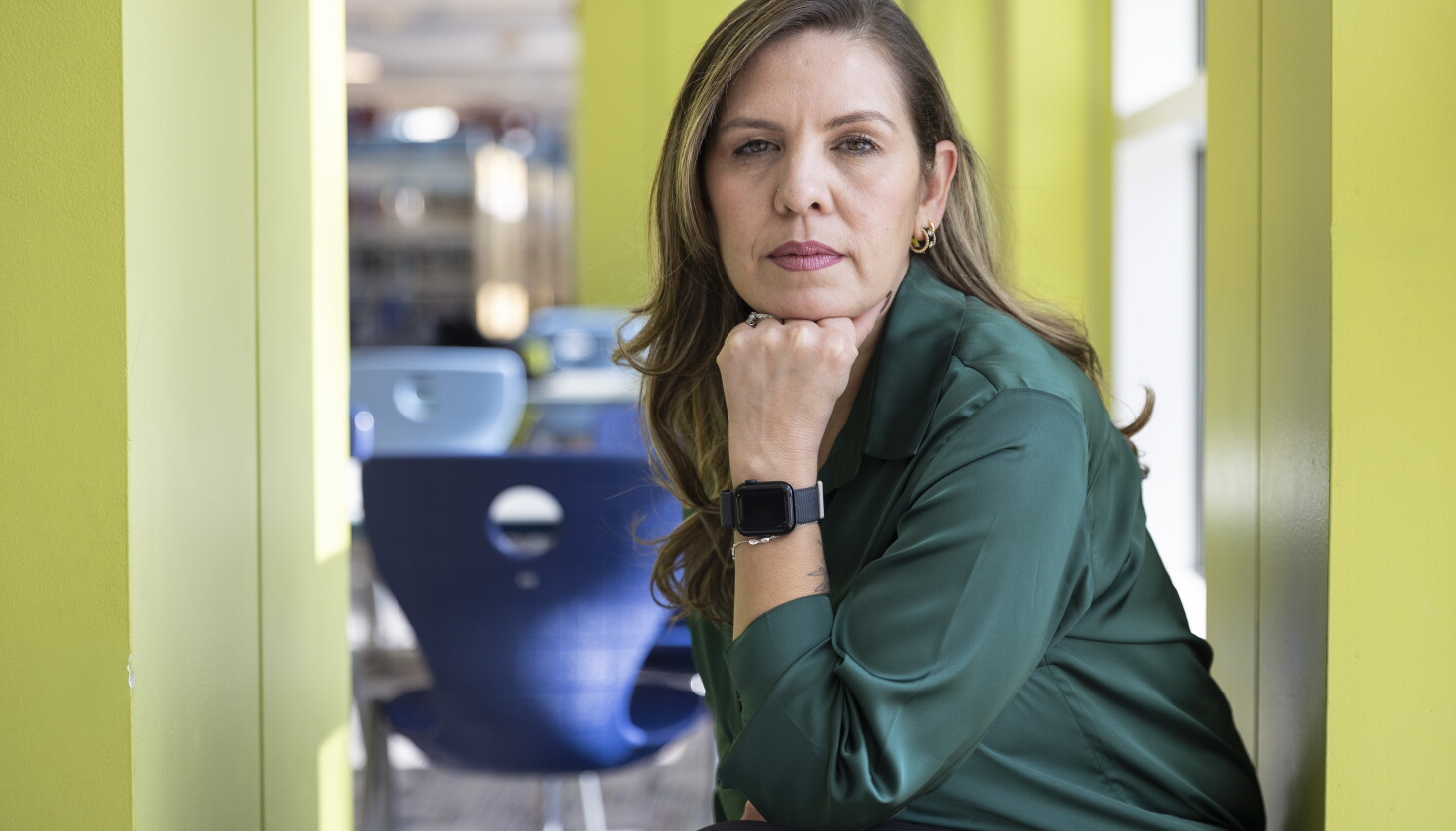
“My role is supporting our newcomers,” says Rivera Courington, assistant superintendent for English learners in a suburban school district that covers Westmont. “We get to know who they are, where they have come from, what their needs are. We find out what they’ve been through in the process of getting here.”
But when Diego, 14, and his sister Rosa, 13, opened up about what drove them from central Mexico in September 2023, their story caught Rivera Courington off guard. They had lost their mother after a years-long battle with lung cancer. More recently, they had lost their father, who was gunned down while picking up the boy from school.
“He was murdered and it happened in front of Diego,” Rivera Courington says.
The Siblings’ Struggle
Rivera Courington coordinated her district’s teachers and staffers to meet the siblings’ academic, linguistic and emotional needs. Eventually, though, Diego and Rosa suffered another trauma. They became collateral victims of President Donald Trump’s Chicago-area deportation drive.
To help the children through that crisis, Rivera Courington needed more than her professional resources. She needed to draw from some values her parents had instilled in her as a kid.
“Our responsibility is to help when help is needed,” she says. “It’s doing the right thing for people that, at the moment, can’t do it for themselves.”
Tragedy after Trauma
Diego and Rosa followed a path out of Ciudad Hidalgo, Mexico, that was laid by their brother, Federico, who had left a year earlier at age 18. The three siblings had an aunt in the Chicago area. They had never met her in person.
In Westmont schools, Rivera Courington helped get Diego going in ninth grade and Rosa in eighth. Diego seemed to be having a hard time adjusting to life in the states — to life without his parents.
“Diego was just so sweet and so kind and so intelligent,” Rivera Courington says. “He had all these hopes and dreams. And I saw him carrying the weight of the world — just in how he talked about [having] to help his brother.”
Federico, the brother, had found a job in a furniture factory. He was working long hours to save for an apartment he could share with Diego and Rosa. Eventually he and the two children were able to move from their aunt’s place.
The apartment was outside Rivera Courington’s school district. She no longer had any official connection to Diego and Rosa but “would check in on them, see how they were doing,” she says. One time, the kids even came to her house. She gave them a couch, table and rug.
This past fall, after the Trump administration intensified its deportation efforts in the Chicago area, Rivera Courington heard about an immigration arrest affecting two former students of her district.
“I was like, ‘Please don’t tell me it’s Diego and Rosa. How can another tragedy be upon them? How is this even possible?’ ” she recalls.
It was possible. U.S. Immigration and Customs Enforcement agents had taken away Federico on his way to work Oct. 31. Within days, he was moved to a detention center in Greene County, Missouri.
Federico was the only parent Diego and Rosa had. He drove them to school. He helped them with homework. He paid the bills.
Federico (left) with his sister Rosa and brother Diego in their apartment. Immigration agents arrested Federico on Oct. 31.
Stepping Up to Help
“When you’re an educator,” Rivera Courington says, her voice shaking, “some stories hit you both professionally and personally.”
Diego and Rosa not only worried about their brother’s fate. They faced a host of problems, beginning with their home.
“They could no longer stay in their apartment,” Rivera Courington says. “Not only are they minors, but they weren’t able to pay for rent.”
Officials of their high school spoke with their aunt, who agreed to take them in.
But the aunt and her husband had their own children, one recently diagnosed with Type 1 diabetes, she tells WBEZ on a visit to their house. The husband’s landscaping pay was their sole income. And neither he nor the aunt had permission to be in the United States.
After Federico’s arrest, the aunt says in Spanish, the husband stayed home from work and the couple didn’t feel safe leaving their house: “We spent three weeks at home due to fear.”

Providing Support and Hope
Rivera Courington caught up with Diego and Rosa and decided not to sit on the sidelines.
“I became determined to do whatever I possibly could to give them some hope, to give them some relief, to bring some positivity into their lives, to help

