

Introduction to Illinois Public University Enrollment
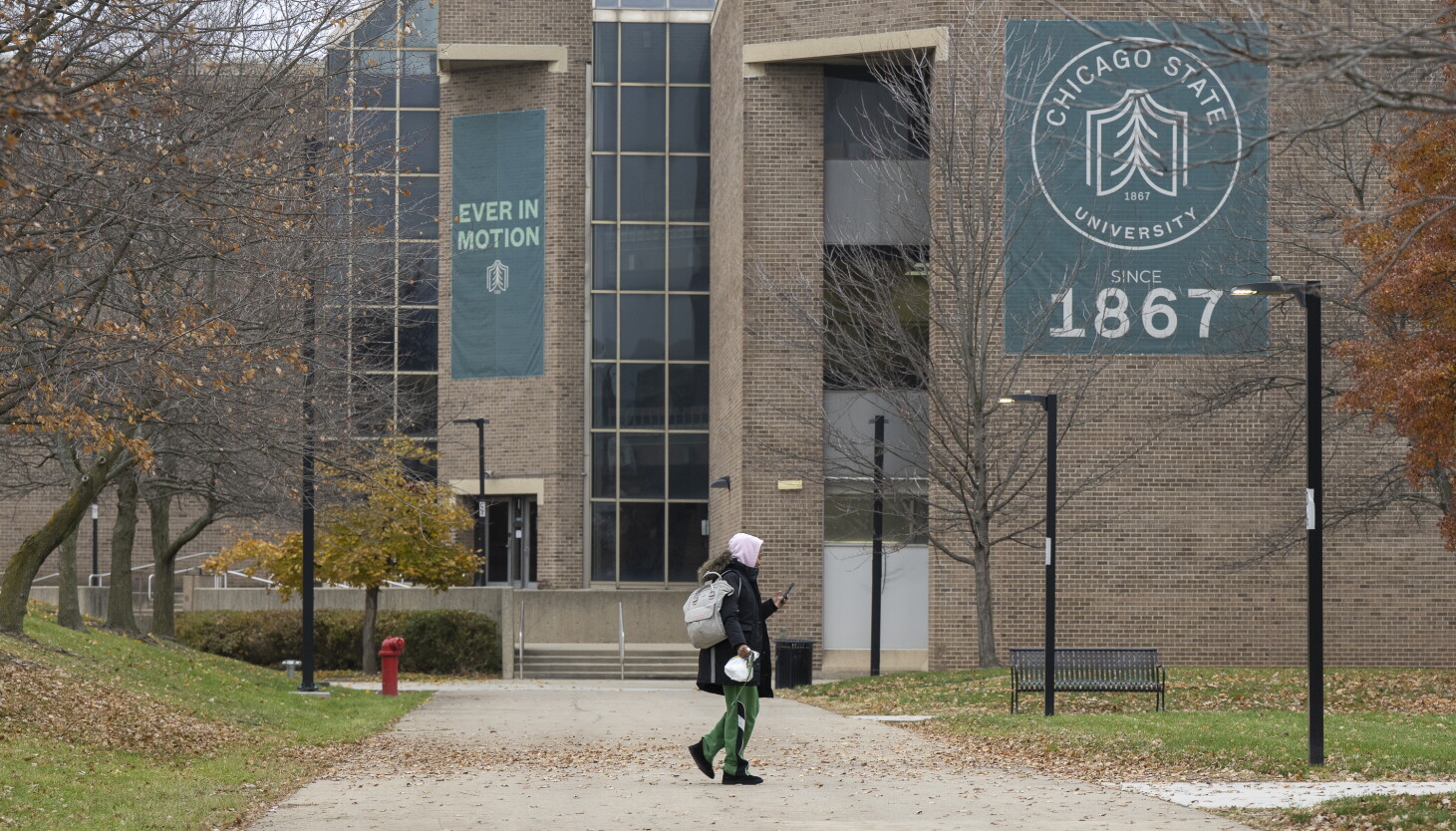
Chicago State University enrolled its largest freshman class in a decade this fall — an encouraging trend at the state’s only predominantly Black university, which has struggled with declining enrollment and funding cuts in recent years.
Enrollment Trends Across Illinois
Undergraduate enrollment was up by 3.7% at public universities across the state, according to state data released this week. Statewide, students of color drove much of that growth. The number of Black students enrolled at public universities across Illinois increased by nearly 10%. Latino student enrollment was up more than 8%.
Chicago State University Leads the Pack
Chicago State University on the Far South Side led the pack with a 15% spike in undergraduate enrollment, doubling the size of its freshman class from 135 to 286. The increase was significant enough that university faculty had to add classes and the housing director had to check and make sure there were enough beds for students who live on campus.
Factors Contributing to Enrollment Growth
Enrollment among Black and Latino students and undergraduates in general has ticked up since reaching low points during the COVID-19 pandemic. But this year’s growth exceeded that of previous years — though overall enrollment is still lower than a decade ago. State officials attributed the enrollment increases to recent investments the state has made in higher education, including more funding for public universities and an increase in financial aid.
Challenges Faced by Public Universities
Chicago State, like other public regional universities that serve many of the state’s marginalized and underrepresented students, has faced extreme financial challenges in its recent history. Between 2000 and 2023, lawmakers cut state spending on higher education nearly in half. In 2016 during a lengthy state budget impasse under Gov. Bruce Rauner, the school nearly went under. While Gov. JB Pritzker has restored some state funding for public universities, Chicago State and other public universities are still far away from adequate funding, according to a state commission put together to analyze and improve how Illinois funds its public universities.
Proposed Funding Formula
That commission has proposed a new higher education funding formula to stabilize funding and distribute it more equitably, but the proposal hasn’t gone anywhere in the state legislature. The enrollment growth comes despite months of attacks by the Trump administration. Several public universities in the state lost federal grant funding, as well as international students following abrupt changes to immigration policies. International students pay much more to attend public universities and often subsidize the education of in-state students.
Value of Attending College
The uptick also offers evidence that students still see value in attending college, even as the pandemic and the rising cost of college led some to question whether it was worth it. “Most jobs that take you into spaces with family-sustaining wages are going to require some postsecondary education,” Chicago State President Zaldwaynaka “Z” Scott said. “That’s just a given. So the people that try to tell you you don’t need college in order to go anywhere? Don’t listen to them.”
Chicago State Draws Students with Summer Camps and Extra Advising
Scott credited Chicago State’s enrollment rise to efforts to expose more kids from surrounding neighborhoods to the school. That includes adding opportunities for high school students to take free college classes for credit and on-campus summer camps for kids and teens. This past summer, Scott said the school had nearly 300 students signed up for a dozen camps on topics ranging from quantum science to reading. The goal was to “introduce them to the idea of: ‘I can see myself as a college student because I’ve been to the campus,” Scott said. “‘I’m comfortable there. I met friends there.’”
Chicago State President Zaldwaynaka “Z” Scott says the school has worked to boost support for first-year students and recruit students who grew up near the university.
Ashlee Rezin/Sun-Times file
RISE Academy
The college’s five-year-old RISE Academy is also a big draw, Scott said. About 180 students are participating, according to a university spokesperson. It’s open to all admitted freshmen and covers the cost of tuition, books and a laptop for their first year. Students participate in a summer bridge program to help them adjust to college life, and receive extra advising and tutoring during the academic year. Scott said the program tries to eliminate barriers that prevent students from enrolling in college and finishing their degree. “We’re making sure that we’re keeping in touch with you and we’re working our darndest to make sure that you have the academic support to make sure you’re successful,” she said.
Conclusion
The increase in enrollment at Chicago State University and other public universities in Illinois is a positive trend, driven by the growth in enrollment of Black and Latino students. The state’s investments in higher education, including increased funding and financial aid, have contributed to this growth. However, public universities still face significant financial challenges, and the state needs to do more to support them. Efforts to make students feel welcome on campus, such as summer camps and extra advising, have also played a crucial role in boosting enrollment.
FAQs
Q: What was the percentage increase in undergraduate enrollment at Chicago State University?
A: 15%
Q: What was the percentage increase in the number of Black students enrolled at public universities across Illinois?
A: nearly 10%
Q: What was the percentage increase in Latino student enrollment at public universities across Illinois?
A: more than 8%
Q: What is the RISE Academy at Chicago State University?
A: A program that covers the cost of tuition, books, and a laptop for admitted freshmen and provides extra advising and tutoring during the academic year.
Q: What is the goal of the RISE Academy?
A: To eliminate barriers that prevent students from enrolling in college and finishing their degree.

