

Introduction to the NCAA Tournament
The NCAA tournament is a time of excitement and anticipation for college basketball fans. However, the selection process can be puzzling, especially when it comes to the Big Ten conference. This year’s tournament has raised eyebrows with its seeding, leaving many to wonder about the committee’s thought process.
The Big Ten Conundrum
The Big Ten tournament champion, Michigan, was seeded fifth in the NCAA tournament, despite beating Wisconsin, the fifth seed, in the championship game. Wisconsin, on the other hand, received a third seed. This disparity is not an isolated incident, as Michigan also beat Purdue and Maryland, both of whom received higher seeds than the Wolverines.
Seeding Discrepancies
The seeding discrepancies are not limited to Michigan. Oregon, which tied for seventh place in the regular season, received a fifth seed, equal to Michigan’s. Wisconsin, meanwhile, has a relatively easy opening draw against 14th-seed Montana. In contrast, Michigan faces a tougher opponent in 12th-seed UC San Diego.
Conference Tournament Relevance
The NCAA selection committee’s seeding decisions raise questions about the relevance of the conference tournament. If the committee does not consider the tournament’s outcome when making seeding decisions, then what is the point of the tournament? The Big Ten tournament may be seen as a waste of time, as the committee’s decisions seem to be made without regard for the tournament’s results.
Other Notable Teams
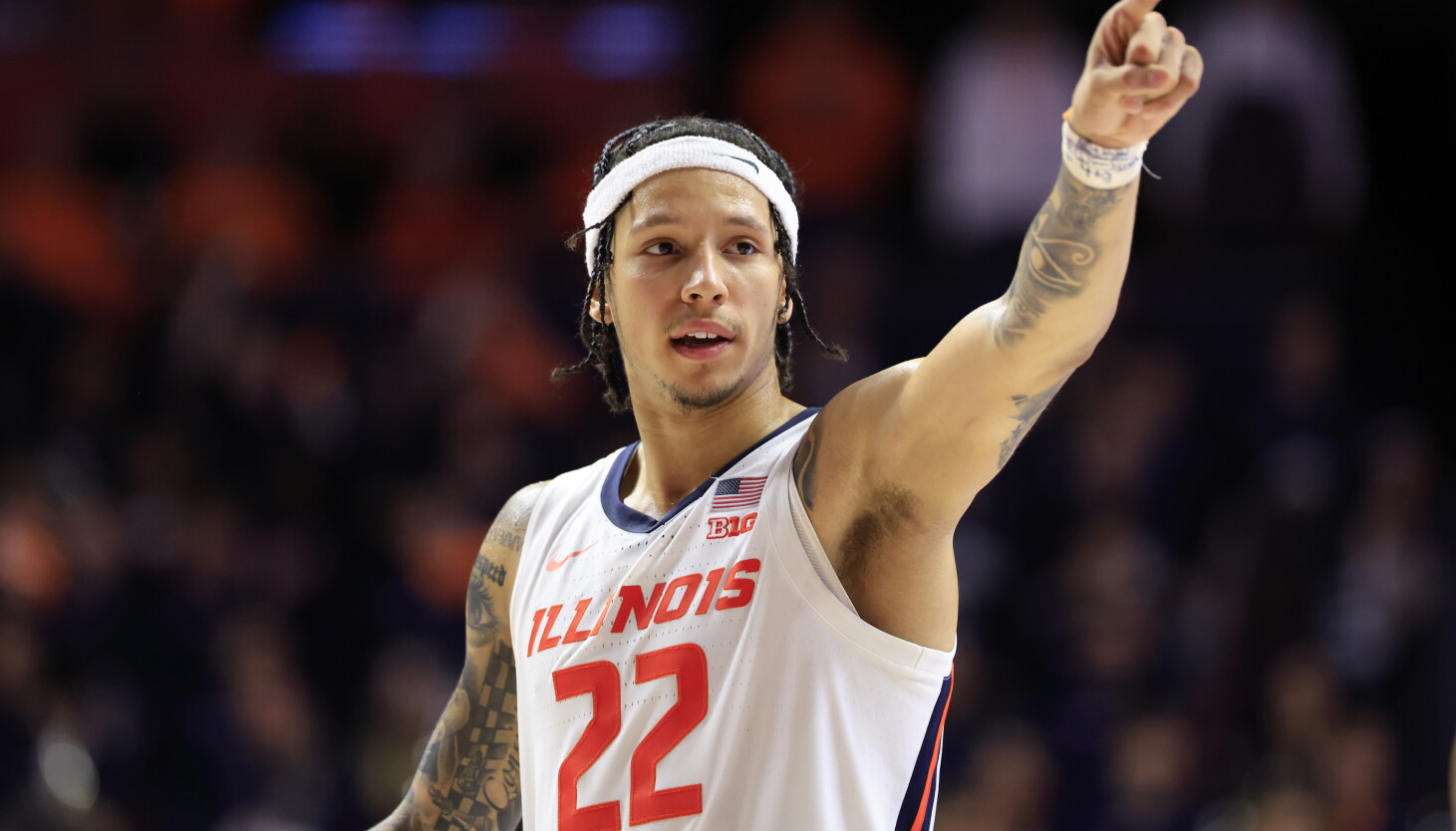
Illinois, on the other hand, received a favorable draw, being placed in the 6th seed in Milwaukee. This location is close to their home base, and they will face either Texas or Xavier in the first round. If they advance, they may face Kentucky, a challenging but beatable opponent.
Auburn’s Recent Performance
Auburn, the number one overall seed, has lost three of its last four games. This recent performance may indicate that they are not as strong as their seeding suggests.
Michigan State and Alabama’s Paths
Michigan State and Alabama have relatively easy paths to the Elite Eight. If you’re looking for a number two seed to go all the way, either of these teams might be a good choice.
Coaching Matchups
The tournament features some exciting coaching matchups, including Porter Moser and Oklahoma against Danny Hurley and UConn, and Kansas against Arkansas, with the winner facing St. John’s.
North Carolina’s Inclusion
North Carolina was the last team to make the tournament, and their inclusion has raised eyebrows. As a blue-blood program, they may have received preferential treatment.
Tournament Trends
Historically, number one seeds have dominated the tournament, winning 25 of 39 championships since the field expanded to 64 teams. However, there have been some notable upsets, including 11 seeds making it to the Final Four five times.
Conclusion
The NCAA tournament is full of surprises, and this year’s seeding has raised more questions than answers. As the tournament progresses, we’ll see which teams can overcome their seeding and make a deep run.
FAQs
Q: Who won the Big Ten tournament?
A: Michigan won the Big Ten tournament, beating Wisconsin in the championship game.
Q: What seed did Michigan receive in the NCAA tournament?
A: Michigan received a fifth seed in the NCAA tournament.
Q: Who does Illinois face in the first round?
A: Illinois faces either Texas or Xavier in the first round.
Q: What is the historical trend for number one seeds in the tournament?
A: Number one seeds have won 25 of 39 championships since the field expanded to 64 teams.

