
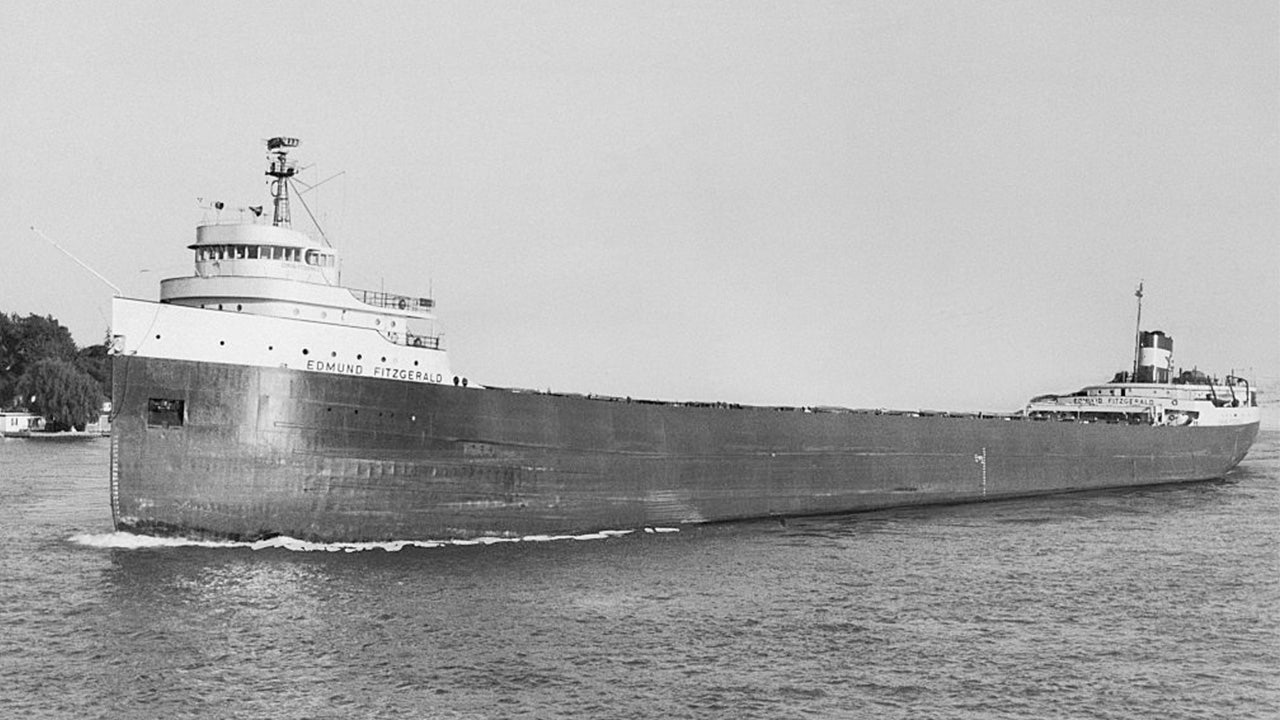

Introduction to the Edmund Fitzgerald
The mystery behind the sinking of the Edmund Fitzgerald on Lake Superior is still very much alive, 50 years later. The ship’s voyage has been well documented through the years, and it is considered one of the most devastating shipwrecks in recorded U.S. history.
The Voyage of the Edmund Fitzgerald
The Edmund Fitzgerald departed Superior, Wisconsin, en route to Detroit on November 9, 1975, at 2:15 p.m. The ship was joined by the Arthur M. Anderson, and the National Weather Service issued gale warnings for Lake Superior that forecast winds up to 40 knots and waves of 5 to 10 feet. As the storm intensified, the two ships headed northeast, out of the normal shipping lanes, and the NWS issued a storm warning for northeast winds up to 50 knots and 8-to-15-foot waves.
Key Events of the Voyage
- November 9, 1975, 2:15 p.m.: The Edmund Fitzgerald departs Superior, Wisconsin, en route to Detroit.
- November 9, 5 p.m.: The ship is joined by the Arthur M. Anderson.
- November 10, after 2 a.m.: The two ships head northeast, out of the normal shipping lanes.
- November 10, 1 p.m.: Edmund Fitzgerald turns southeast toward Whitefish Bay, with the Anderson several miles behind.
- November 10, 3:30-3:35 p.m.: The Edmund Fitzgerald calls Anderson to report damage and reduces speed so Anderson can stay close.
The Crew of the Edmund Fitzgerald
All 29 men who were aboard the ship died in the tragedy. The crew members were:
- Michael E. Armagost, 37
- Fred J. Beetcher, 56
- Thomas D. Bentsen, 23
- Edward F. Bindon, 47
- Thomas D. Borgeson, 41
- Oliver J. Champeau, 41
- Nolan S. Church, 55
- Ransom E. Cundy, 53
- Thomas E. Edwards, 50
- Russell G. Haskell, 40
- George J. Holl, 60
- Bruce L. Hudson, 22
- Allen G. Kalmon, 43
- Gordon F. MacLellan, 30
- Joseph W. Mazes, 57
- John H. McCarthy, 62
- Ernest W. McSorley, 63 (Captain)
- Eugene W. O’Brien, 50
- Karl A. Peckol, 20
- John J. Poviach, 59
- James A. Pratt, 44
- Robert C. Rafferty, 62
- Paul M. Riippa, 22
- John D. Simmons, 62
- William J. Spengler, 59
- Mark A. Thomas, 21
- Ralph G. Walton, 58
- David E. Weiss, 22
- Blaine H. Wilhelm, 52
Unique Weather Conditions of the Great Lakes
The Great Lakes are vast and could be considered oceans, with Lake Superior measuring about 350 miles wide. Storms that take place over the Great Lakes can be worse than storms over oceans, according to Derek Kevra, meteorologist for FOX 2 Detroit. High winds over the Great Lakes can produce waves that are more frequent than those in oceans, although they may not be stronger, they occur more often and are larger.
The Gales of November
The storm that brought down the Edmund Fitzgerald was not unusual for its time. November is a busy month for inclement weather on the Great Lakes, and there’s a reason why. The arrival of colder, darker months means the air temperature blowing into the region arrives with a chill, but not the water, which is still warm from the summer. This clash of cold air and warm water fuels an unstable weather system, resulting in hurricane-force winds and waves that can reach three stories high, known as the Gales of November.
Conclusion
The sinking of the Edmund Fitzgerald is a tragedy that will be remembered for generations to come. The ship’s crew, the unique weather conditions of the Great Lakes, and the Gales of November all played a role in this devastating event. As we look back on this tragedy, we are reminded of the importance of respecting the power of nature and the sacrifices made by those who work on the Great Lakes. The legacy of the Edmund Fitzgerald lives on, and its story will continue to be told and remembered for years to come.