

Introduction to the White Sox’ Offseason Plan
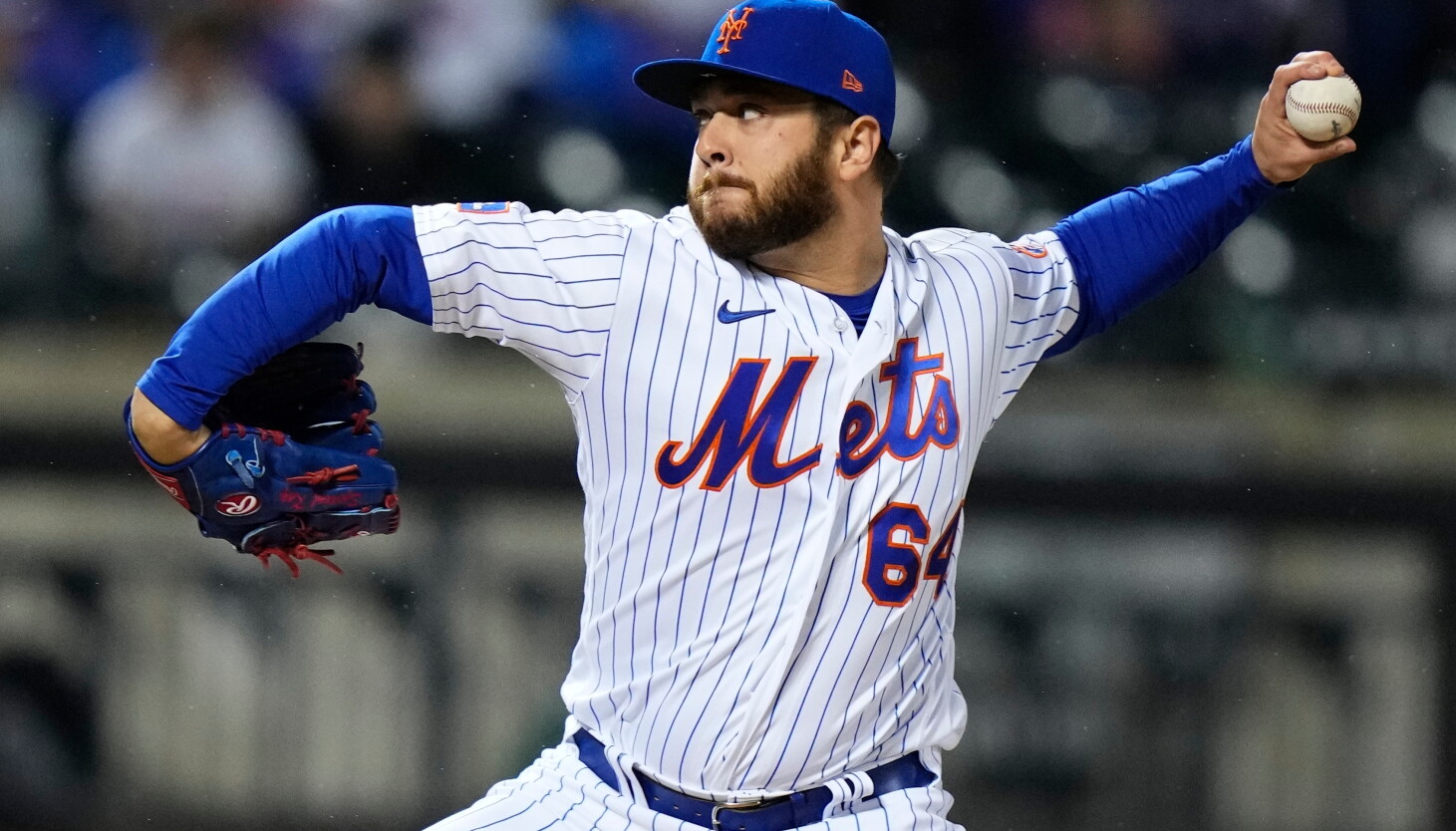
The White Sox’ general manager, Chris Getz, has already made his first move in the offseason by signing left-hander Anthony Kay to a two-year contract. This move provides insight into the team’s plans for free agency, which are likely to focus on low-risk signings that can provide value without breaking the bank.
Identifying the Type of Signings to Expect
The Sox have shown that they are willing to take calculated risks on players who have the potential to improve with the right adjustments. The signing of right-hander Erick Fedde is a prime example of this approach, and it’s likely that the team will continue to look for similar opportunities. Kay, with his mid-90s fastball and first-round pedigree, is a great example of the type of player the Sox will target.
Kay’s Potential Impact
Kay’s performance in Japan, where he sported a 1.74 ERA over 155 innings, suggests that he has the potential to be a valuable addition to the Sox’ rotation. His ability to add a sinker and a changeup to his arsenal has improved his game, and his 20.9% strikeout rate and 54.5% groundball rate are promising numbers. However, the Sox’ infield defense will need to improve to get the most out of Kay’s abilities.
Addressing the Team’s Needs
The Sox’ emphasis on providing cover for their pitchers is a key aspect of their offseason plan. The bullpen was stretched thin towards the end of the season, and the team needs to find ways to support their young starters. Getz has stated that the team is looking to add pitching to help navigate the season, and Kay’s signing is a step in the right direction.
Supporting Young Arms
The signing of Kay puts pressure on young arms like Jonathan Cannon and Sean Burke, who will be competing for a spot in the rotation at spring training. While the team is still high on their potential, they cannot afford to hand them spots in the rotation without competition. Getz has made it clear that the team wants to support their young arms, and the signing of Kay is a move in that direction.
Optionality: The Theme of the Offseason
The Sox’ approach to the offseason seems to be centered around optionality. They are taking swings on former top prospects and seeing if they can maximize their talent. This approach allows the team to be flexible and adapt to changing circumstances. The signing of Kay is a prime example of this approach, as he provides a veteran arm that can be penciled into the rotation while the team waits for their young prospects to develop.
Conclusion
The White Sox’ offseason plan is taking shape, and it’s clear that the team is focused on making low-risk signings that can provide value without breaking the bank. The signing of Anthony Kay is a great example of this approach, and it will be interesting to see how the team continues to build on this strategy in the coming weeks.
FAQs
Q: What type of signings can we expect from the White Sox this offseason?
A: The White Sox are likely to focus on low-risk signings that can provide value without breaking the bank.
Q: What is the significance of the Anthony Kay signing?
A: The signing of Anthony Kay provides insight into the team’s plans for free agency and suggests that they are willing to take calculated risks on players who have the potential to improve with the right adjustments.
Q: How will the signing of Kay impact the team’s young arms?
A: The signing of Kay puts pressure on young arms like Jonathan Cannon and Sean Burke, who will be competing for a spot in the rotation at spring training.
Q: What is the theme of the White Sox’ offseason approach?
A: The theme of the White Sox’ offseason approach seems to be centered around optionality, taking swings on former top prospects and seeing if they can maximize their talent.

